
Since 1950
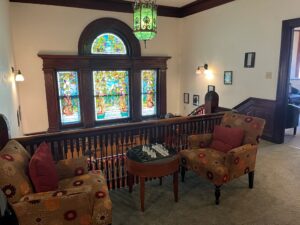
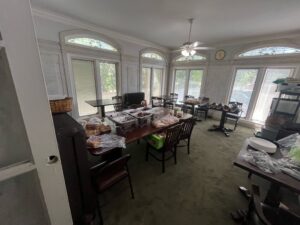
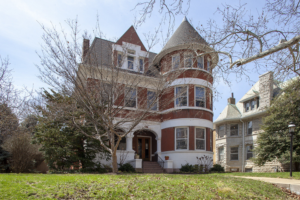
The 4522 Club makes its home inside a striking three-story, red-brick Victorian house near Lindell Boulevard and Taylor Avenue, right in the heart of St. Louis’ Central West End. Its mission is simple but profound: “To provide a safe, sober, and comfortable setting for members and guests to meet and socialize—and to extend the welcoming hand of recovery to all who seek it." That mission has deep roots. Article Two of the Club’s 1960 Charter Amendment spelled out its purpose as providing education, spiritual guidance, group therapy, and other support for people in St. Louis and the surrounding counties struggling with alcoholism. In everyday terms, The Lindell Club became—and still is—a place where Twelve Step groups meet, friendships form, and recovery finds a home.
Here Are Some Quick Links:
Make A Donation
Every dollar raised goes straight back into operations: keeping the lights on, maintaining the historic building, and ensuring that the doors stay open for the next person who needs help.
See DetailsBecome A Member
With over 500 Cardholder Members, our community grows stronger each day. Your support is crucial to our success, and to guaranty we will be able to continue our mission.
Join TodayMonthy Newsletter
Stay current with all club related news. Each month we release a new issue loaded with events, birthdays, flyers, and a monthly drawing for a free meal (Members Only).
Read TodayAnnual Golf Tournament
Each year we host our annual tournament at Forest Park Golf Course on the first Sunday of October. You can register anytime through the year, spots fill up fast, so don't miss out!
Sign Up
Located in the Central West End St. Louis, Missouri
A house of history, built in 1894, we have been home to hundreds of meetings since 1950. Press the play button below to have a tour!
Watch Video